If you’re on Pinterest, please pin this graphic if you liked this post.
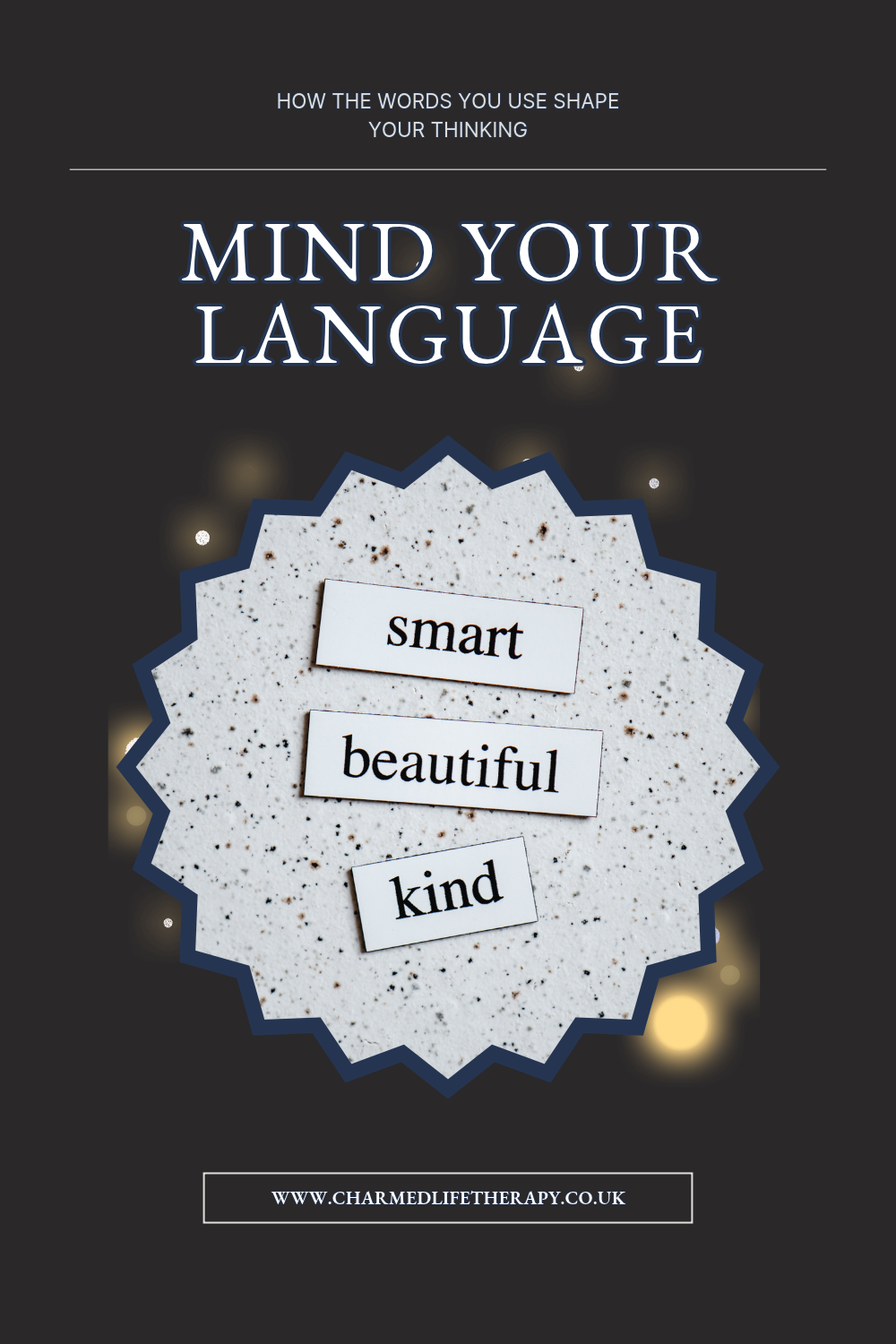
An Easy Way to Start Brain Training!
I am a constant student of hypnotherapy. Whether it's reading some of the greats, like Milton Erickson, listening to audiobooks by fellow hypnotherapists, scrolling through YouTube to watch people at the top of their game, or reading and listening to inspirational authors like Alan Cohen and Pam Grout, I'm always looking for something interesting to learn.
Because an important part of my job when I work with you is to find a way to give you hope. To help you feel that your life is special and unique, and that you have something to offer, no matter where you are right now.
This particular post was originally written in January 2023, about a year into my journey as a practising hypnotherapist. It's still something I feel strongly about.
When you train in hypnotherapy, you become very aware of the everyday language people use, and the pictures and feelings they create with their words. Much of it is tossed around incredibly casually, without a second thought.
Remember, words are made up of spellings. You're literally casting spells with your words! And there's a serious point underneath the wordplay. The language you use, both internally and externally, can influence how you interpret experiences, how you feel about yourself and what you come to expect from the world around you.
Your subconscious mind is particularly interesting in this respect. The thoughts and language you repeatedly expose yourself to can become familiar patterns of thinking. And familiar patterns can be surprisingly difficult to recognise, let alone change.
I came across a social media post that really highlighted to me why we should be careful about the words we use, both towards ourselves and casually in the wider world.

You Have to Learn How to Watch the Way You Speak
The lady commenting on the post was complaining about a particular lesson within a yoga programme I'd signed up for. Essentially, she was asking, ‘Why do we have to do flows? I despise flows.’
A second contributor chimed in to say that she, too, despised flows.
And the word really struck me.

Despising yoga is kind of not the point!
Can you hear how that word might resound inside your head, or in the heads of other people? Can you feel the difference between saying you don't particularly enjoy something and saying you despise it?
Despise is a pretty harsh word. It's the kind of word I think I've used a limited number of times in my life. I literally cannot think of anything I truly despise. I don't have a deep loathing of anything. Certainly not since I first had RTT, at least. I'm much more forgiving now, and I'm glad about that!
Try saying the word despise to yourself a few times, thinking about something specific. Notice what happens. Does your body tense? Does your expression change? Do you feel a little flash of irritation or disgust?
Now try replacing it with something less loaded.
Perhaps you don't enjoy flows. Perhaps you're not comfortable with them yet. Perhaps you're not particularly good at them (also yet, as I like to remind clients!). There's a world of difference between those statements.
The point isn't that you're forbidden from using strong words. It's that you should be aware of what you're saying and how it affects the way you experience things. One of the things RTT can help you develop is a much greater awareness of the language you use, the beliefs you hold and the way you interpret the world around you.
After a session, and with continued use of your personalised recording, you may find yourself becoming more conscious of the words and assumptions that previously slipped by unnoticed. You might even find that you become more aware of how certain people make you feel, and what your instinctive responses are telling you.

Negative Language Patterns People Casually Toss Around
Just think about the things you hear all around you on a regular basis.
‘It's a lousy/horrible/terrible day.’
‘I can't catch a break.’
‘Nothing ever goes right for me.’
‘I'll die if my husband leaves me.’
‘Nothing ever gets any better.’
‘I can't live without cake/gin/prosecco/ice cream!’
‘I've never been lucky. Luck never finds me.’
Do you recognise any of these?
The problem with statements like these is that they're often sweeping generalisations. They take one experience, or a collection of experiences, and turn them into a statement about everything. They globalise a problem. Or the perception of a problem.
A rainy day isn't necessarily a terrible day. It's a rainy day. That's weather, and we need rain!
‘Nothing ever goes right for me.’ Really? I'm sure you could name at least one thing in your whole life that went right for you.
This is also a familiar feature of depressive thinking: the tendency to interpret experiences in absolute terms, overlooking the exceptions and the things that don't fit the negative story.
And yes, you'll survive without cake or gin. It might even improve your health!
You won't die if your husband leaves you, although you might feel absolutely heartbroken and lose a sense of security for a while. That's a very different thing.
These statements are worth paying attention to because repeated patterns of thinking can influence how we feel, what we notice and what we expect to happen next.
And I bet you've had at least one piece of luck in your life. I know you have. Come on!

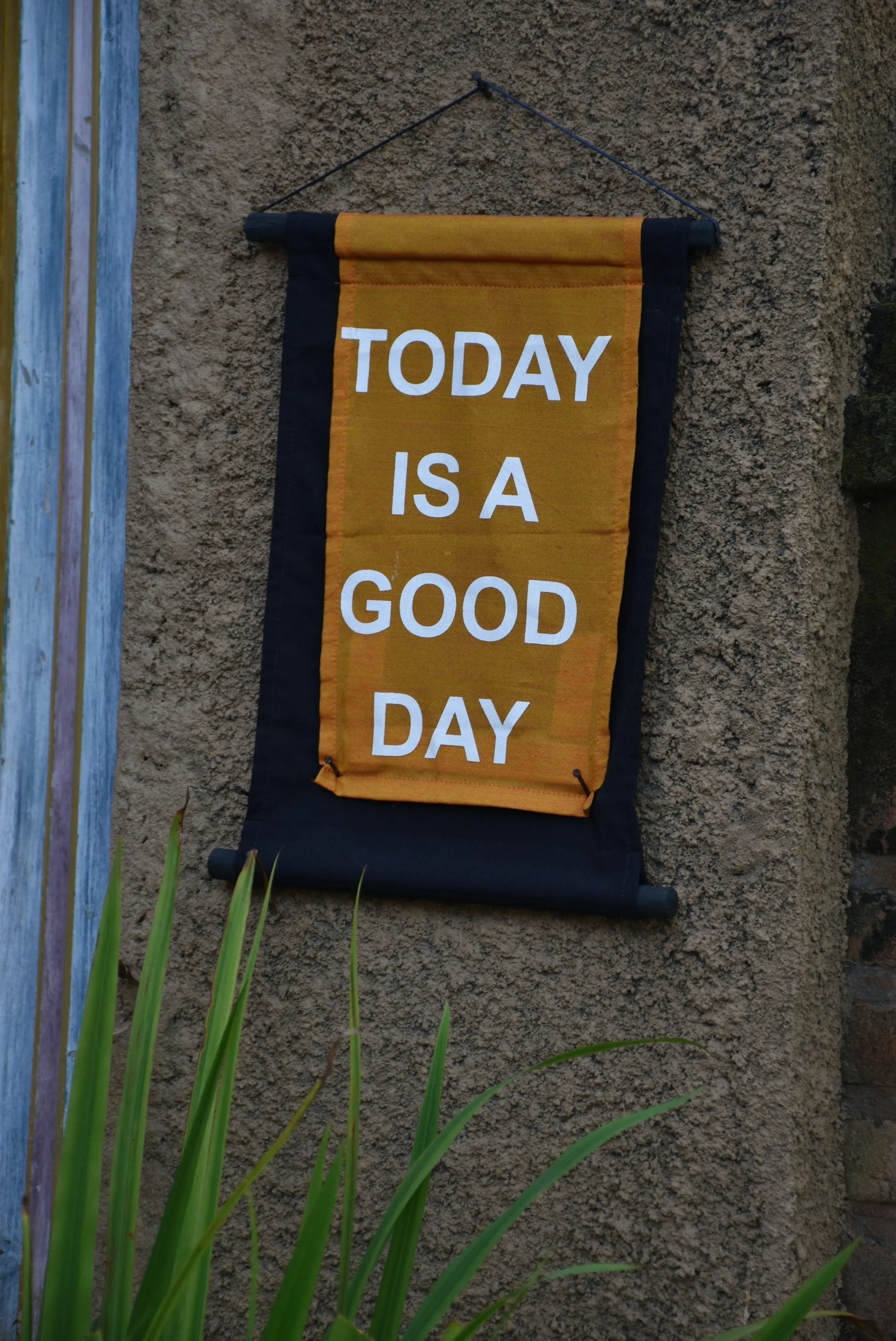
Anything can improve while your heart is still beating!
Find a Way to Speak a Different Truth
So, what happens when you start changing the language?
It's not a lousy day; it's a day with as much potential as any other. It's simply not the kind of weather you were hoping for. And perhaps that's not quite such a big deal.
‘I can't catch a break.’ Yes, you can. If you sat down and practised a little gratitude, you might be surprised by the number of good things that happen each day that you barely register. You're up and about to moan about it, for starters!
‘Nothing ever goes right for me.’ Does it really? Did you eat lunch? Did you have money for the bus, train or petrol? Was there milk in the house for your breakfast cereal? Did you manage all those little things that you might ordinarily take for granted?
I'm not suggesting that these things magically make your bigger problems disappear. But they do challenge the idea that absolutely nothing is going right.
And here's another thing.
If the refrain you're repeating is about something physical, or the way you look, other people generally don't see you quite the way you currently see yourself. Someone, somewhere, would gladly have your hair, your skin, your body, your zits, your nice slim wrists, your wonky breasts or whatever it is you're currently criticising.
We can become so accustomed to scrutinising ourselves that we forget other people aren't necessarily looking at us through the same critical lens. You forget that not everyone even has great eyesight to judge your faults with!
Heartbreak Hurts but a Mended Heart is Stronger!
And as for the husband or beau that broke your heart? You don't want someone who doesn't want you. It might hurt terribly, and you'll need time to process it, but you will survive it. One day, you might even look back and realise that the divorce or break-up was the beginning of something much better.
And those guilty pleasures you keep telling yourself you can't live without?
Sometimes they're simply habits. They're familiar, comforting and easy to reach for. If you pay attention to how you actually feel afterwards, you might discover that the pleasure isn't quite as satisfying as you imagined.
Food isn't life, love or happiness. It's food. It can be good, bad or indifferent. It's nourishment and energy.
There is also a fascinating demonstration I can do as part of a weight-loss session, which shows how the body physically weakens or strengthens in response to qualities of food placed in your hand. But that's another story!
Never Say ‘I Know It Won't Last’
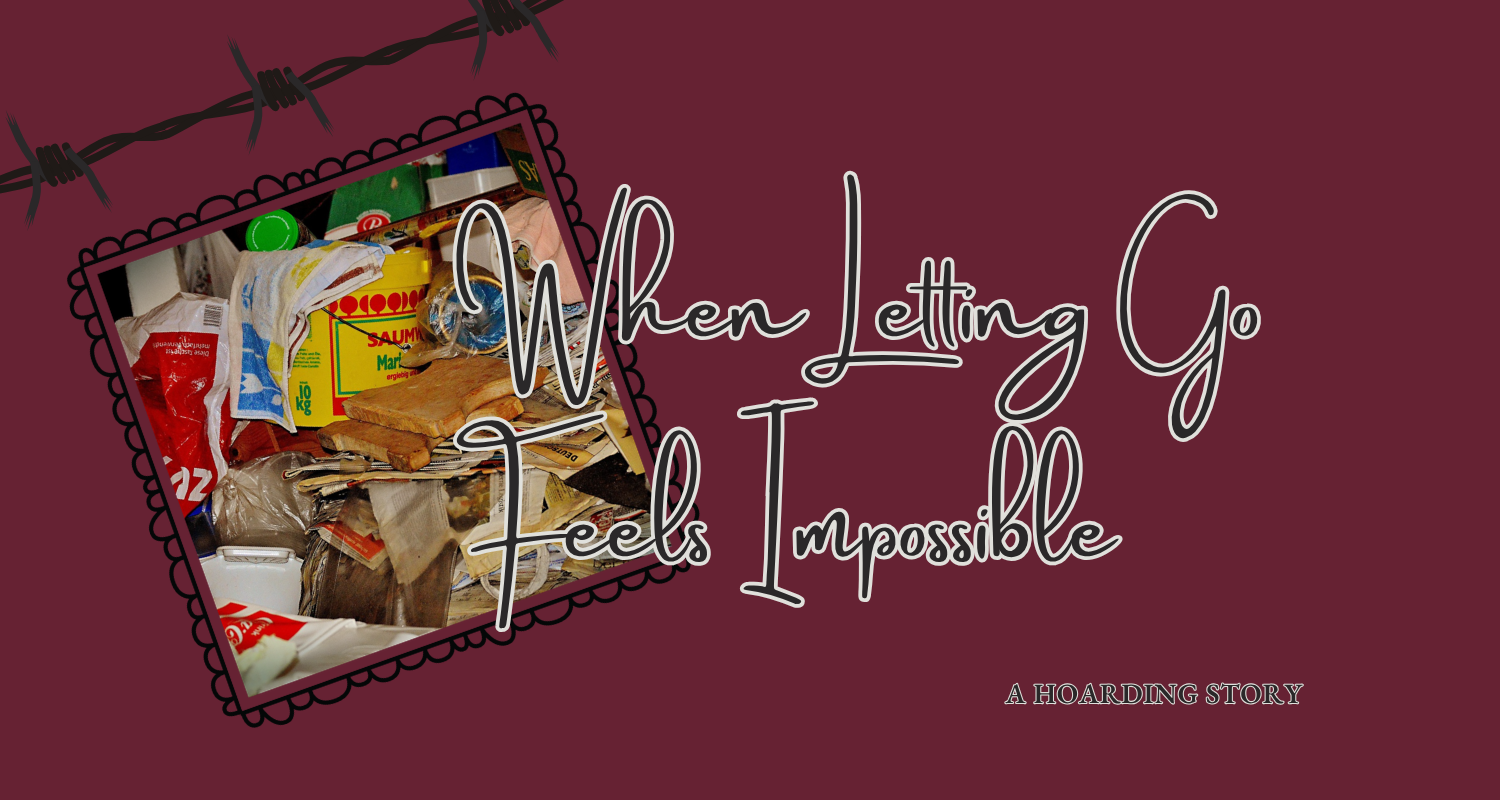
I have a friend who has been working on clearing out decades of her own and her deceased parents' belongings, along with clutter that has been foisted on her by other people. And she's doing amazingly well.
It's not something she finds easy. It's emotionally hard for her, and a real challenge. But in the middle of making such wonderful progress, she sent me an email saying: ‘I even woke up yesterday and today feeling that I am slowly, slowly, beginning to make a future for myself. I know it won't last, but…’
Immediately, my keen practitioner brain said, ‘Hold up! What was that you slipped in there? No, no, no, no, no! You're not getting away with that one. You know it won't last?????’
You see? That's what we all do. We give ourselves an embedded suggestion, and a negative one at that. We tell ourselves something is a foregone conclusion. We make progress, start to feel better, and then almost instinctively undermine it with a prediction that things will go wrong again.
What if, instead, we said: ‘Wow, let's make the most of this. Let's see about staying on this roll. I've got this. I am doing this. It's happening. Look at my progress. I'm excited to see what comes next. I'm creating all this space, all this room to move!’
Can you feel the difference?
One statement anticipates disappointment. The other acknowledges progress and allows you to feel hopeful about what might come next. Of course, nobody can guarantee that life will always go smoothly. But why automatically assume that good things are temporary?
When you start paying attention, you'll be amazed by what you notice, what you gradually remove from your vocabulary and how differently you can begin to feel. What you'll also need to watch out for is repeating negativity simply to make conversation or fit in with the crowd. We have a habit of occasionally parroting back things people say, or what you know will give them what they want. And a lot of people want sympathy for an imagined piece of negativity!!!!!! And we unwittingly validate their opinion for them.
Don't Automatically Repeat Someone Else's Negative Statement
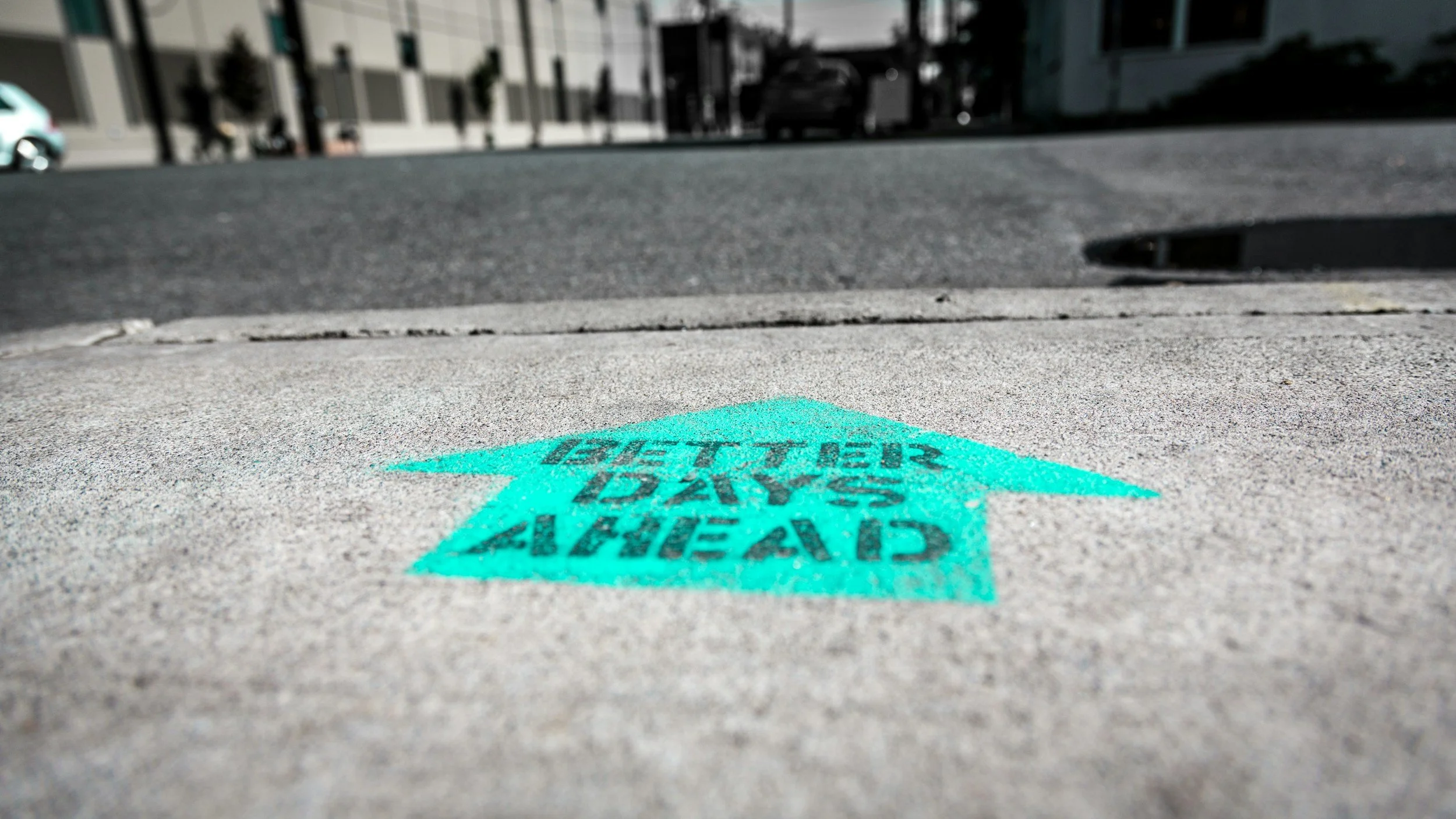
Tackle your troubles with one different word choice at a time!
Another friend of mine has struggled with her health and often says, "Nothing ever gets any better, does it?"
And I've had to say to her repeatedly some version of, "I'm not going to repeat, agree with or feed into that, because I don't want to reinforce that way of thinking in my own life." Because what you say to someone else, you are also saying to your subconscious mind. And this sounds tough, but sometimes an ill person wants you to drop down with them. They don’t realise they are doing it, but they sometimes do. It gives them a bit of an energetic boost.
It can feel a little harsh when you know what someone is suffering, but I've explained where I'm coming from and what I need to do for myself. She understands. She just laughs because she can see my point!
She had a practice RTT session with me early in my training, when I didn't yet have much hands-on experience. Some interesting themes emerged around control and how difficult it can be to let go of the things we desperately want to change.
Sometimes, when we're struggling, we become so wrapped up in the problem that it starts to dominate our entire experience. We can find ourselves repeating the same story, revisiting the same frustrations and feeling increasingly powerless. And while we can’t make an absolute sweeping statement that everything is always caused by your thinking, your mind can do miraculous things if you grant it some leeway through targeted thinking and language.
We can benefit from finding a different way to relate to what we're experiencing.
If something is a problem and you genuinely can't change it right now, perhaps you need to find a way to compartmentalise it, seek support or redirect your attention towards the things you can influence.
You don't have to keep repeating ‘nothing ever gets any better’ as though it's an established fact.
Even when life is really, really shit, it's worth being mindful of the words you use. Not because you have to pretend everything is wonderful, but because you deserve language that gives you some room to breathe.
Your Words Are a Superpower. Use Them!
So, the message of this post is simple: watch your words.
Watch the words you use about yourself. Notice the words other people use. Pay attention to the little expressions and throwaway comments that might otherwise pass completely unnoticed.
Look at yourself in the mirror and say one of the hundred terrible things you regularly tell yourself. Notice what happens to your expression and your body language. Then try saying something different.
‘I'm proud of you.’
‘I support you.’
‘I respect you.’
‘I admire what you've been through.’
‘You're strong.’
‘You're capable.’
Notice how your expression softens. Notice whether it's a little easier to breathe.
Words have power and weight. Use them as though they're your very own superpower.
And here's the best bit: it's free, you can start today, and it can be surprisingly fun.
Try it as a little experiment. See how many negative phrases you can spot during the day. Notice how often you use them yourself. See whether you can find a different way to express the same thought without turning it into a generalisation about your entire life.
It's people-watching for the ears!
And if you find yourself wanting a little help changing the way you see yourself, your circumstances or your future, that's something we can explore together.
Book a free, confidential, no-obligation Your Time, My Magic call if you'd like to find out more about working on your self-worth, your beliefs and the patterns that might be holding you back.
Or if you're even slightly curious to discover just how high you can fly!
Love,
The Mind Detective
Anne-Marie x 🕵🏻♀️ 🧙🏻♀️
Related Posts

Everyday ways your language shapes your view of your life.